







|
Quantity
|
Total
|
||
|
|
|||
|
|
|||
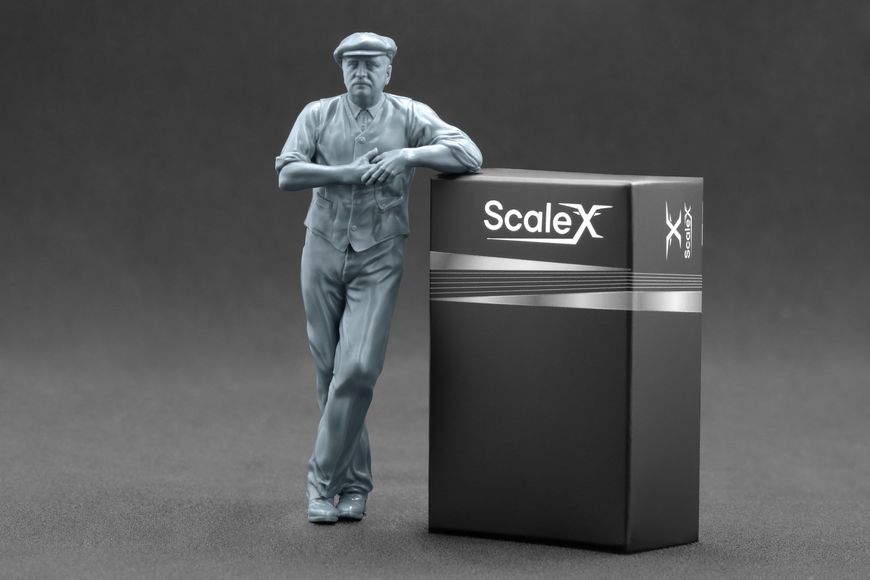
3D-Printed Figure British Steam Era Labourer (1890–1920)
Figure Series • 1/16 Scale

Product Type
British Steam Era Labourer (1890–1920)

Country
United Kingdom

Period
Industrial Era

Scale
1/16
Overview
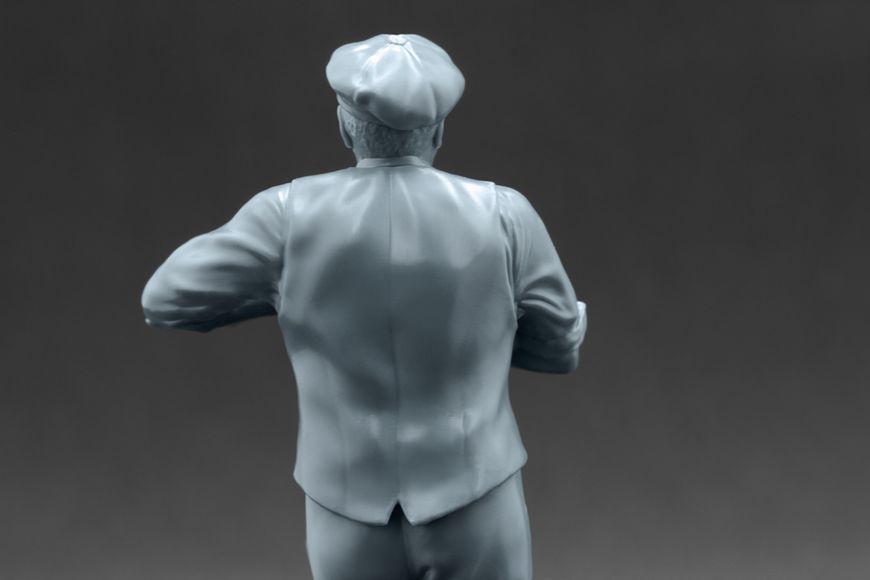
Bring your historical scale models and dioramas to life with this highly detailed 3D-printed British Steam Era Labourer (1890–1920). Featuring period-appropriate clothing and a relaxed, natural pose, this figure is ideal for steam traction engines, agricultural machinery, industrial scenes, workshops, and historical dioramas.
Carefully sculpted to capture the appearance of a British working man from the late 19th and early 20th centuries, the figure adds character, atmosphere, and a sense of everyday life to your model scene.
Available in two scales:
- 1/35 scale
- 1/16 scale
An excellent addition to historical vehicle models, steam-era collections, and standalone displays.
Authentic Appearance
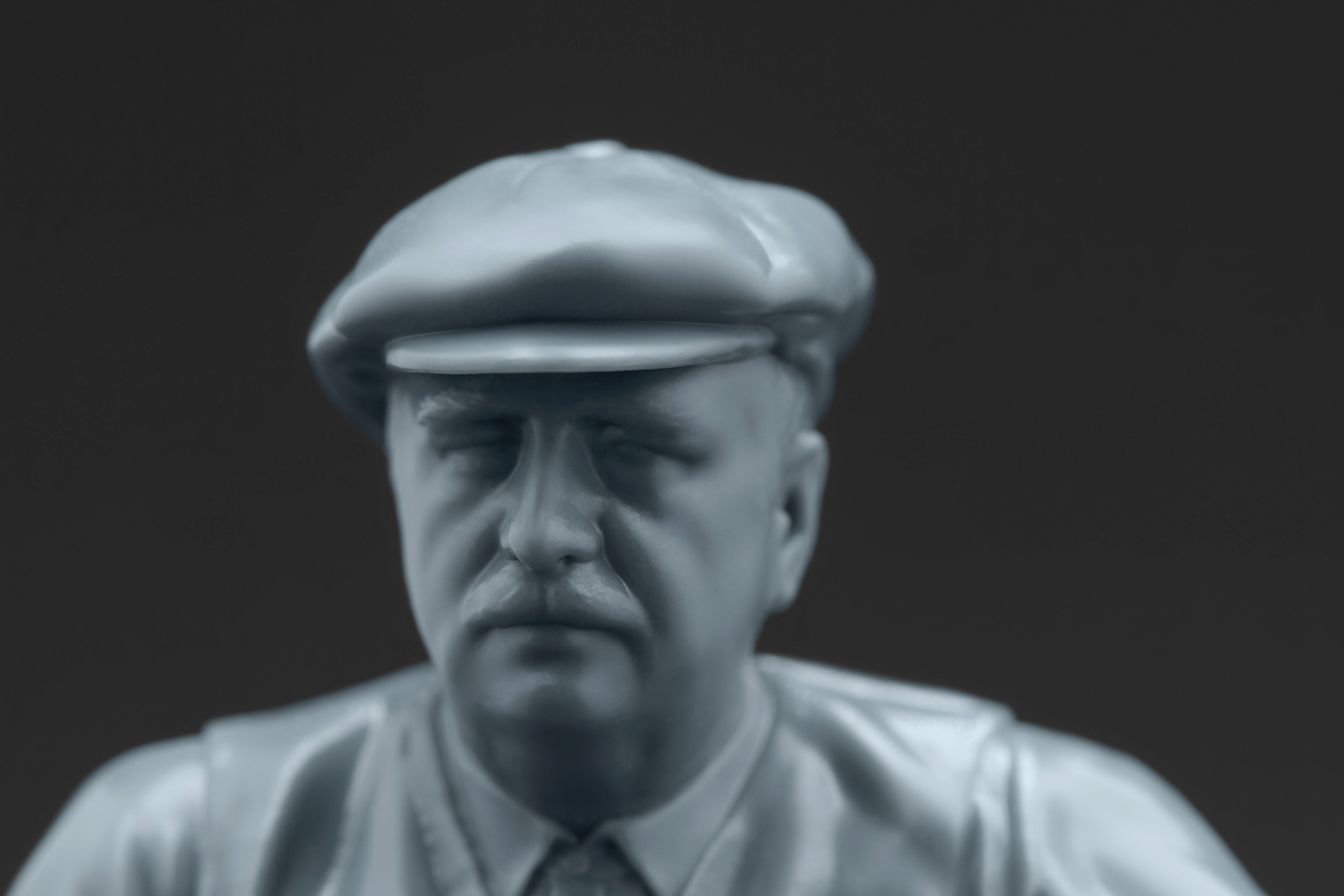
Carefully sculpted to capture the appearance of a British working man from the 1890–1920 period, featuring period-appropriate clothing and a natural, relaxed pose.Engineered for Detail
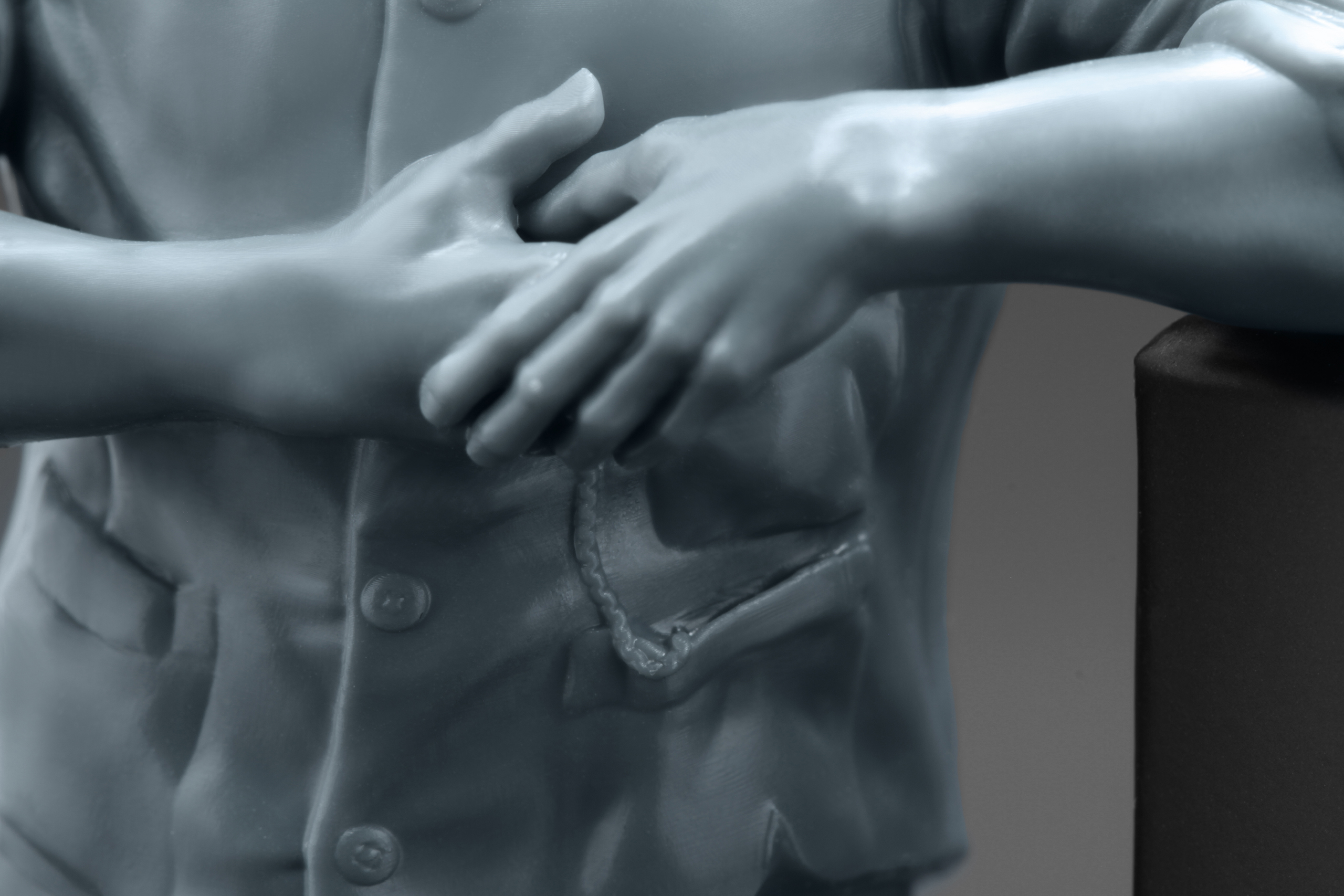
High-resolution resin printing reproduces fine facial features, clothing textures, folds, and other subtle details with exceptional clarity and precision.Natural Pose
Designed to bring character and atmosphere to steam-era scenes, historical vehicle models, industrial dioramas, or standalone displays.Technical Features
- Accurate proportions in both scales
- Realistic anatomy and natural pose
- Detailed period clothing
- Sharp facial and surface details
- High-resolution resin printing
- Clean and precisely sculpted parts
- Easy support removal and preparation
- Designed for straightforward assembly
Assembly & Preparation
Both figures are designed for easy preparation, with carefully positioned printing supports that can be removed without difficulty.
- 1/35 scale: Supplied as a single-piece figure, requiring no assembly.
- 1/16 scale: Supplied in two pieces. The joint is positioned between the trousers and jacket, making the seam virtually invisible. No putty is required.
- Support removal: Both figures are easy to remove from their printing supports. Light sanding of the support contact points is required before painting.